
Not all about flowers, but timing, movement, and memories that linger
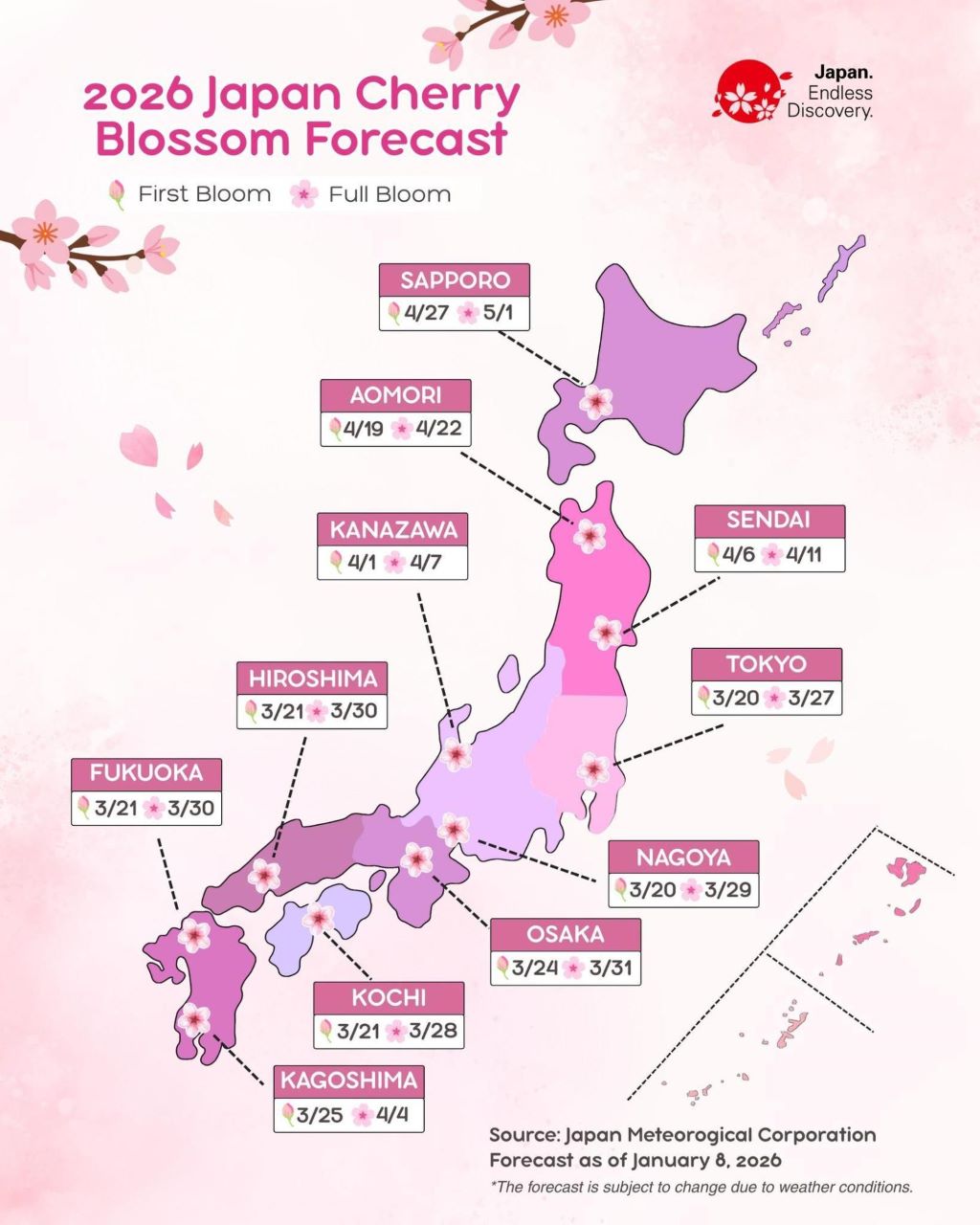
According to the Japan Meteorological Corporation’s second cherry blossom forecast for 2026, blooms are expected to open in Nagoya around March 20, placing the Chubu region at the forefront of spring’s arrival. What does this mean for travelers flying in? This creates a rare opportunity” a cherry blossom journey that begins smoothly in Nagoya, then unfolds outward, through festival towns, quiet riverbanks, and mountain landscapes, before looping back with ease and more core memories.
Rather than the usual routes, this three-day route invites travelers to follow the sakura at a laid-back pace, discovering central Japan through its seasons, flavors, and traditions.
Day 1: Aichi — Celebrations and Good Vibrations
After arriving at Chubu Centrair International Airport, the journey begins in Aichi, where cherry blossom season arrives with the most vibrant hue of pink. Kickstarting the trip as you celebrate Inuyama Festival with the locals, one of Japan’s oldest festivals, held each spring just as the cherry trees reach full bloom. Ornately carved wooden floats roll through the streets while lanterns glow soft. The setting feels theatrical, a result of tradition shaped by centuries of continuity.
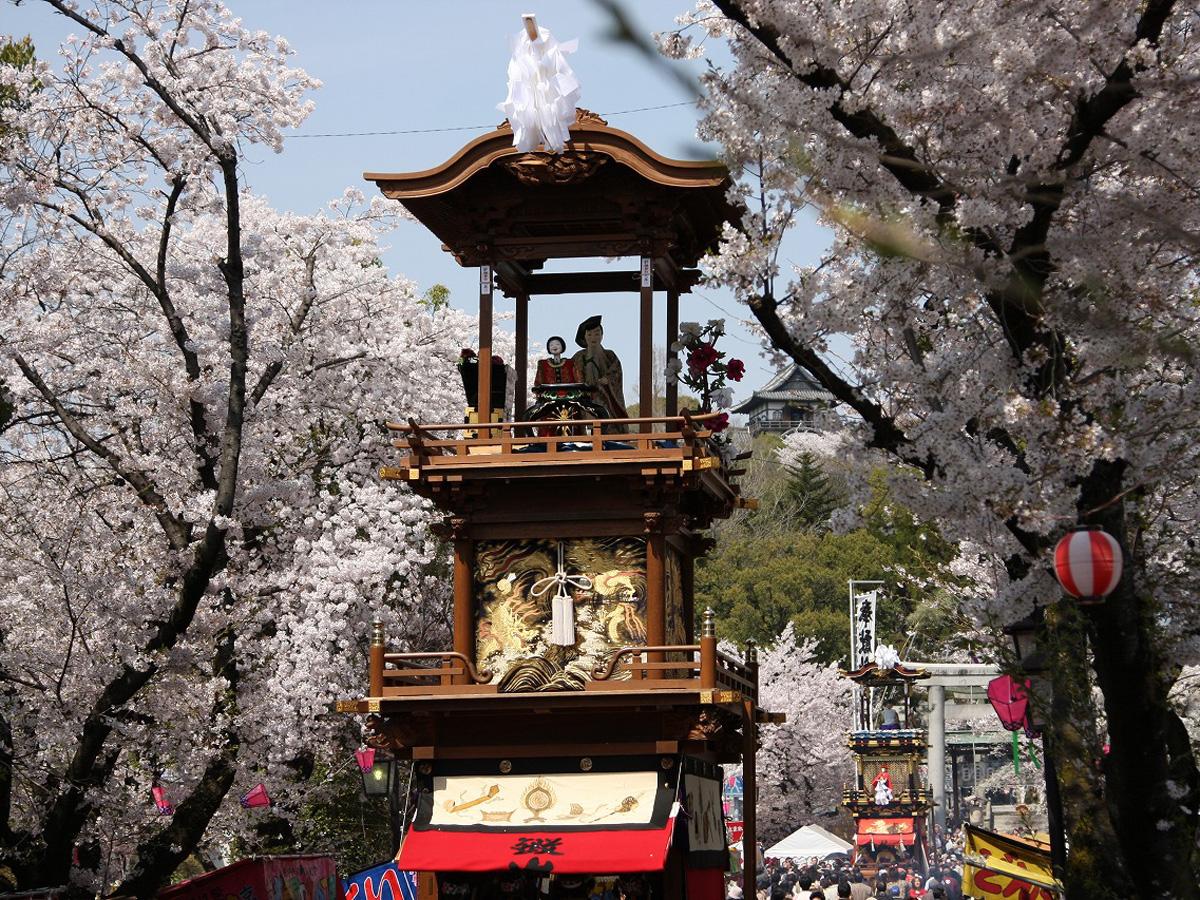
Just beyond the festival routes is Inuyama Castle, one of Japan’s oldest surviving castles. Just below the iconic landmark is the Urakuen Garden, where visitors can find Jo-an, more than a teahouse, it is one of Japan’s Natural Treasures. For those who are looking for something filling after beautiful walks, the castle’s Jokamachi, which is a town at the base of the castle, restaurants fill the streets along with cafes and souvenir stores against a backdrop of old traditional buildings frozen in time.
Before leaving Aichi, explore the shopping complexes around Nagoya Station, where the Osu Shopping District is located. Vibrant, trendy but with cultural relevance, original, and uniquely Nagoya. Distinct specialties from Nagoya you shouldn’t miss is the Hitsumabushi, grilled fish over rice, Miso Katsu, pork cutlet with miso sauce, and Tebasaki, spicy chicken wings, that as simple as they sound, are just all simply impossible to ignore.
Day 2: Gifu — Sakura at a Slower Tempo
Within a stone’s throw away via train, the Gifu Station is just 19 minutes away from Nagoya Station, while from Inuyama station, in less than an hour, you’ll find yourself in a new destination to enjoy.
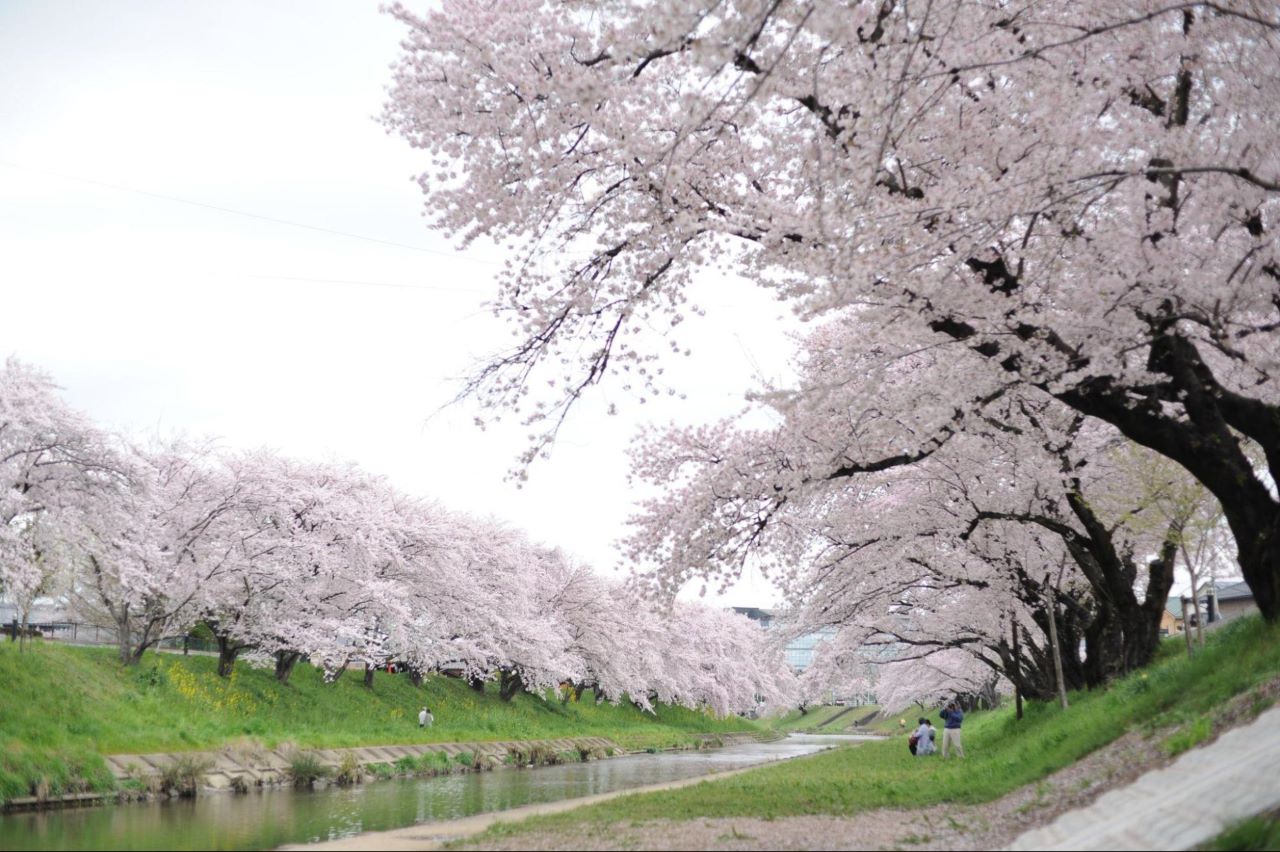
From Aichi, the journey shifts west into Gifu, where cherry blossom viewing takes on a quieter tone. Along the Shinsakai Riverbanks, rows of cherry trees stretch beside the water, forming tunnels of blossoms. This is not a festival site, but a place of daily life, locals pause, walk, cycle, and linger beneath falling petals. The atmosphere is unhurried, ideal for travelers who prefer observation over spectacle. Gifu Park is at the foot of Mount Kinka, another worthy location to experience. Gifu is home to the world renowned Hida beef, recognized as Japan’s Best Beef for a while now, can be enjoyed in many ways of dish interpretation, from your classic seared steak to shabu-shabu style.
Day 3: Nagano — Mountain Blossoms and a Grand Final
This final stop is a culmination shaped by movement, contrast, and perfect timing. Opt to travel to Nagano as you drive through a scenic view, only within 2 ½ hours. Nagano is the place to be for nature centric experiences that’s distinctly Japanese. The Daio Wasabi Farm in Kamilkochi is the largest producer of wasabi in Japan. Out of the greens, and into the haunting beauty of the cold. In the Tateyama Kurobe Alpine Route, a ski resort known for its ice walls awaits, and if you go further north, right at the end of the Nagano basin, is the Hakuba Valley, where outdoor activities happen throughout the year. While these offerings suggest long walks along the park, those who would love to immerse themselves in sightseeing areas such as the Kiso Valley to the south and the Venus Line to the east.
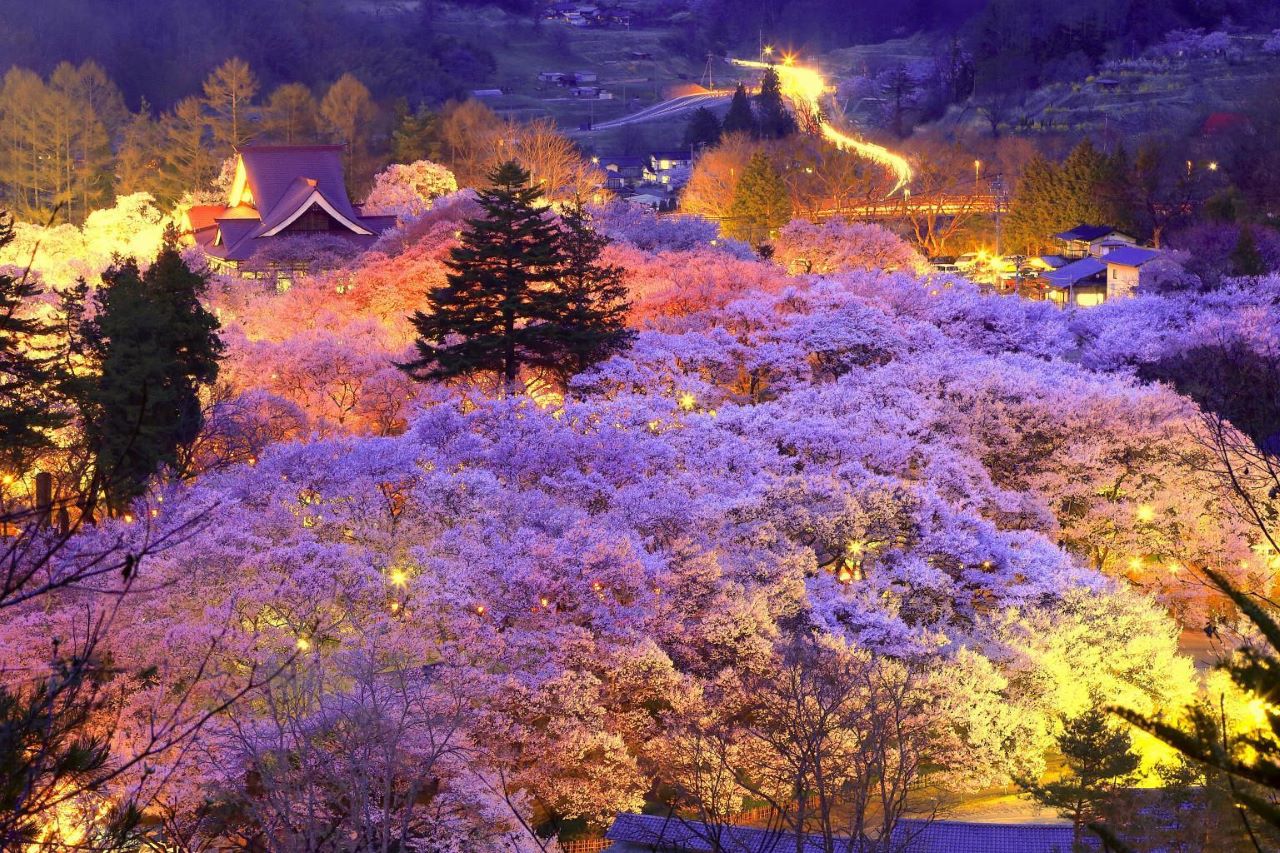
The final leg leads north into Nagano, where cooler air and higher elevations hold off the blossoms just enough to make their arrival feel momentous and more intentional. The highlight of the day is Takato Castle Site Park, revered as one of Japan’s most beautiful cherry blossom destinations. Cherry trees bloom across former castle grounds, their pale pink tones set against stone walls and distant mountain ridges.
As evening approaches, soft illuminations transform the park into a quieter, more contemplative space, less spectacle, more atmosphere. Another stop could be spent at Matsumoto Castle, where black castle walls reflect in waters edged by blossoms.
Returning to Nagoya And Beyond
From Nagano, travelers can return easily to Nagoya to complete the loop. With its efficient transport links and international airport, Nagoya allows for a smooth departure, or an extended stay for those wishing to explore further. What makes this journey compelling is not just its efficiency, but its balance. Festival and stillness. City and countryside. Celebration and reflection. For travelers planning their 2026 spring escape, Chubu offers a cherry blossom season that unfolds with intention, one that rewards those willing to follow the flowers, one thoughtful stop at a time.