
In PH cinemas Jan 14
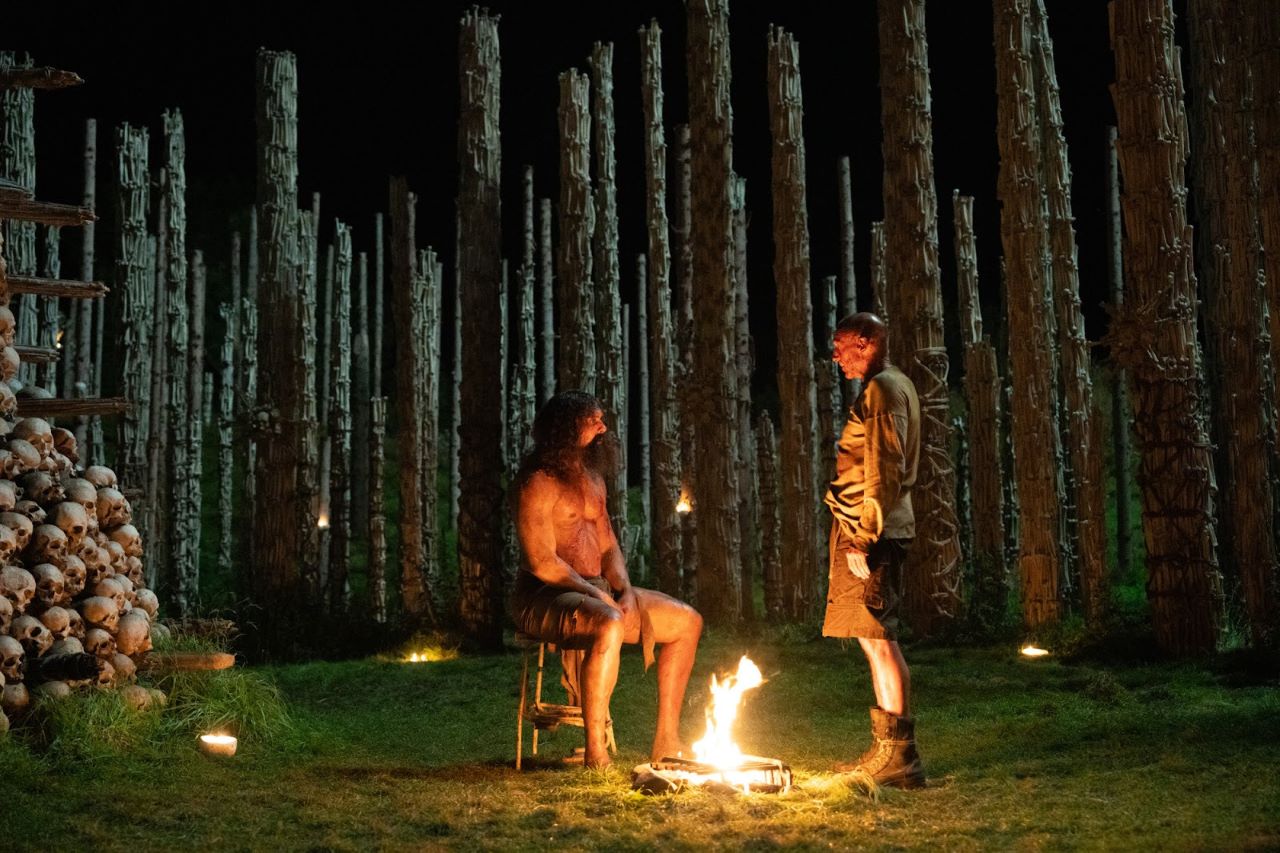
As the world of 28 Years Later: The Bone Temple reels at the onslaught of the Rage virus, humanity is left to adapt to the dangerous environment. As the future remains bleak, survivors have found their own ways to cope and carry on. Three-time Oscar nominee Ralph Fiennes returns in the second installment of the 28 Years Later trilogy as Dr. Ian Kelson, a survivor that finds comfort in tending and honoring the dead, with his massive ossuary nickname The Bone Temple.
“The Bone Temple reminds us that everything seems hopeless,” director Nia DaCosta says. “But at the same time, if you’re still alive, you can accomplish something meaningful with your life. For Dr. Ian Kelson, it’s building this monument to death, which inversely, is what gives him the energy to live.”
Watch the trailer: https://youtu.be/zjgBeVg6-Ys
Dr. Kelson also goes against the grain when dealing with the infected, his roots as a doctor making him more empathetic towards them. This is best seen in how he deals with Samson, a towering Alpha infected that leads others in killing and eating humans. “We’ve seen Samson do monstrous things,” DaCosta notes, “but Kelson sees a lot more to him.”
Fiennes explains the foray into the psyche of an infected mind in 28 Years Later: The Bone Temple, and what it means for the future. “The new film explores the theme of innate humanity – is it still alive in the soul, in the heart, and in the mind of an infected person?” he asks. “Are they completely corrupted? Or is there the possibility of something human still there?”
Chi Lewis-Parry, who plays the intimidating Samson, shares how his character evolves from the first film to now. “Samson represents hope. When we met Samson, he was an apex predator committing monstrously violent acts. The mutation of the virus has had a steroidal effect on some of the infected, including Samson, turning him into a kind of super-infected.” For him, that means that there’s an awareness to the Alpha that may be a clue to how his mind works. “We understand that he is an intelligent creature and not just a mindless, rage-filled infected creature,” Lewis-Parry continues. “So, we tried to put a purpose behind the violence.”
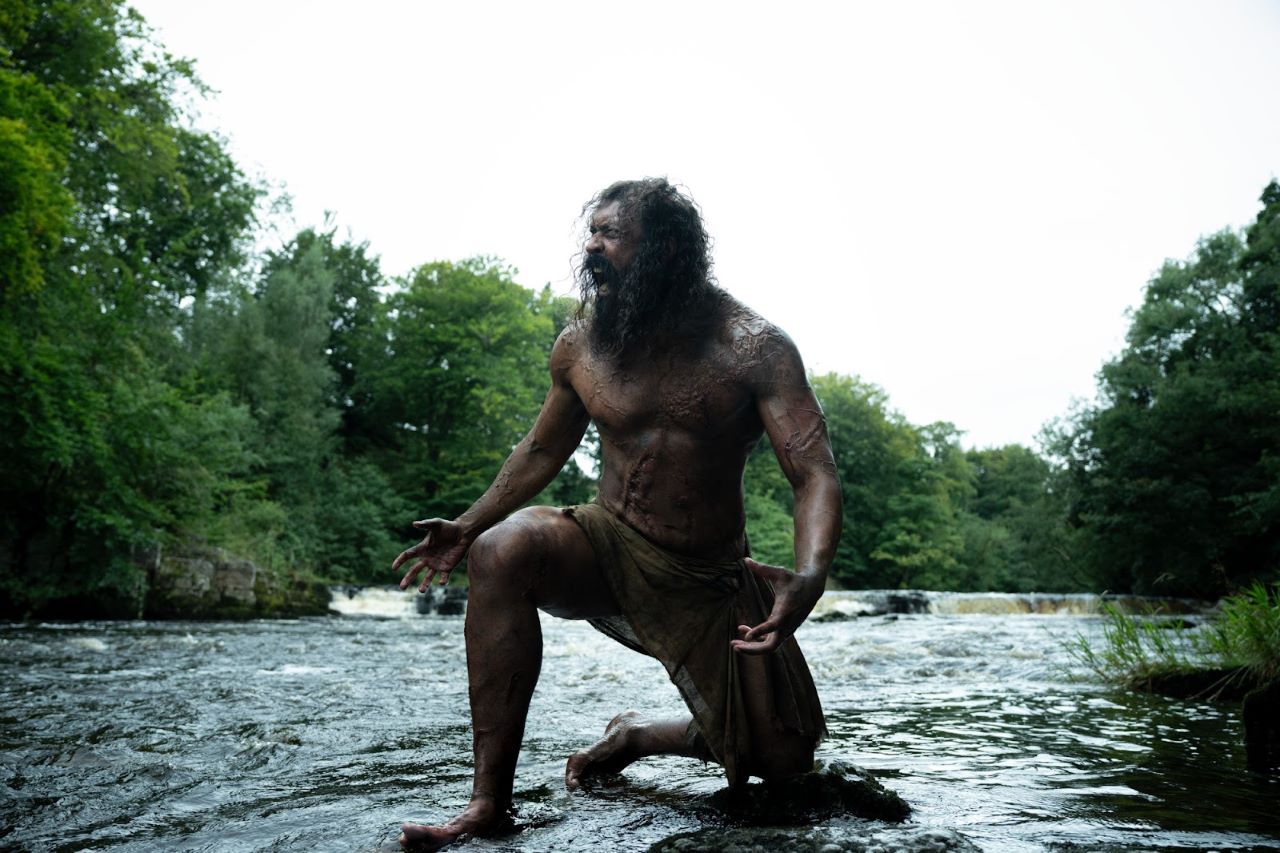
Fiennes’ character sees this, and with it comes a bond that may change the world. “The dynamic is fueled by Kelson’s loneliness, as well as his curiosity,” DaCosta explains. “It’s almost like one couldn’t exist without the other, and it’s a very potent combination. For Samson, the morphine brings them together in a way that’s initially terrifying – we’ve seen him rip people’s heads off! As the complexity of Samson’s thoughts and cognitive processes becomes apparent, Kelson recognizes this, leading to the development of a relationship between them.”
Step into the world ravaged by Rage as 28 Years Later: The Bone Temple arrives in Philippine cinemas on January 14.