
In many densely populated cities, safety on public transportation is no longer defined by rare emergencies. It is shaped by the everyday experiences of millions of passengers and drivers who rely on these services in their daily lives. What matters most is not only whether help can be called when something goes wrong, but also whether each journey operates within a clear, reliable framework that keeps people feeling secure from start to finish.
This expectation is especially relevant in fast-growing urban markets, where transport demand often outpaces infrastructure. In many emerging economies, including parts of South and Southeast Asia, basic safety features such as SOS buttons are still deployed inconsistently and, in many cases, are limited to higher-end vehicle segments. Where they exist, these features often function as standalone tools, disconnected from the broader operational system.
An alternative approach is increasingly taking shape: embedding safety directly into everyday operations so it supports routine travel rather than interrupting it. This model treats safety not as an occasional intervention but as an integrated layer that works quietly in the background.
Designing safety as a system, not a button
In the Philippines, Green GSM has adopted this integrated approach through its Secure-to-Safe (S2S) system, which is installed as a standard feature across its taxi fleet. Rather than relying on a single emergency function, S2S is designed as a coordinated safety support system that combines technology, procedures, and human response.
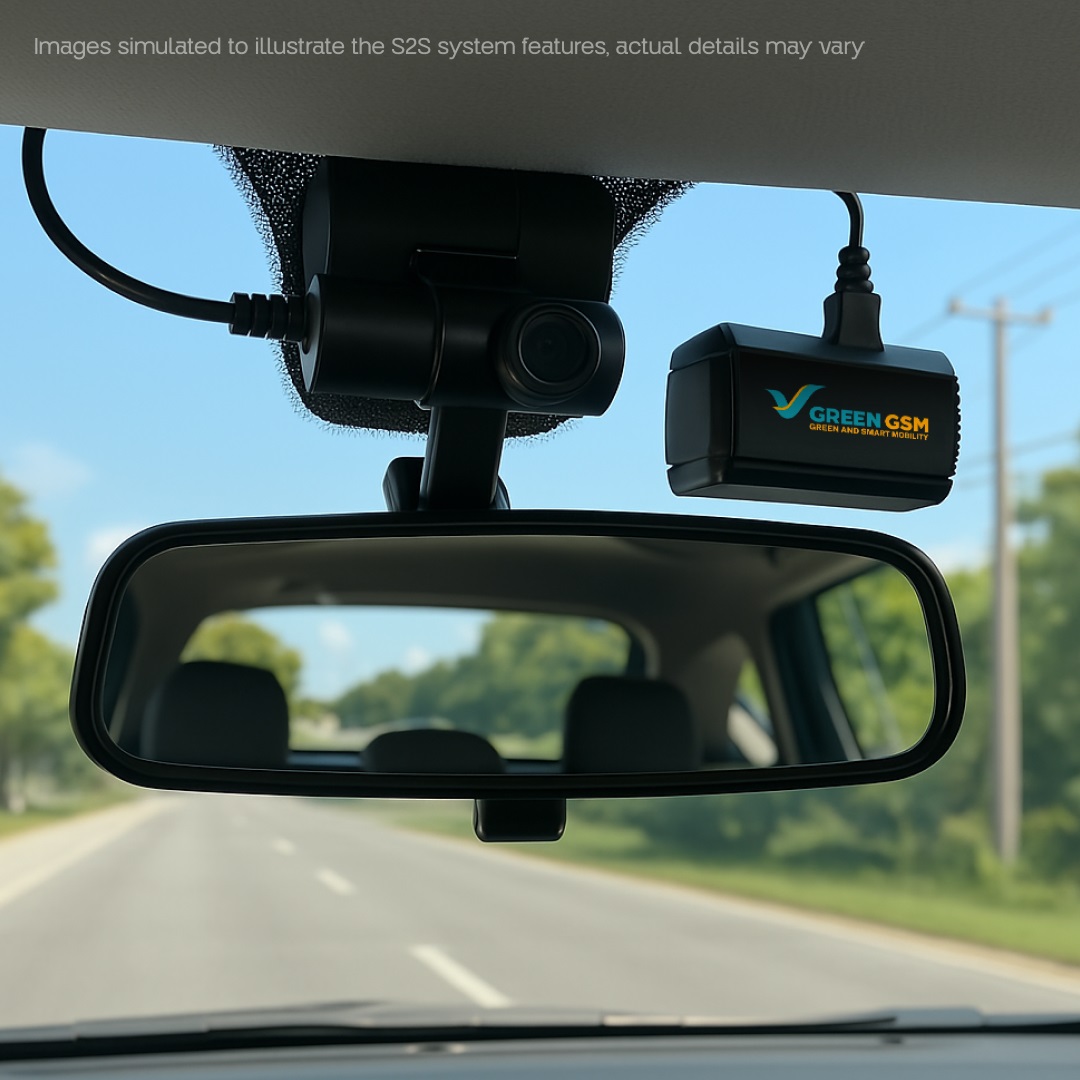
Each vehicle is equipped with in-cabin and exterior cameras, emergency alert buttons accessible to both passengers and drivers, and monitoring functions intended to support the identification of irregular situations during a trip. When an emergency button is activated, an alert is transmitted to the operations center, triggering predefined support procedures. Depending on the circumstances, this may involve assistance from customer support teams, coordination with nearby resources, or engagement with relevant authorities in accordance with established protocols.
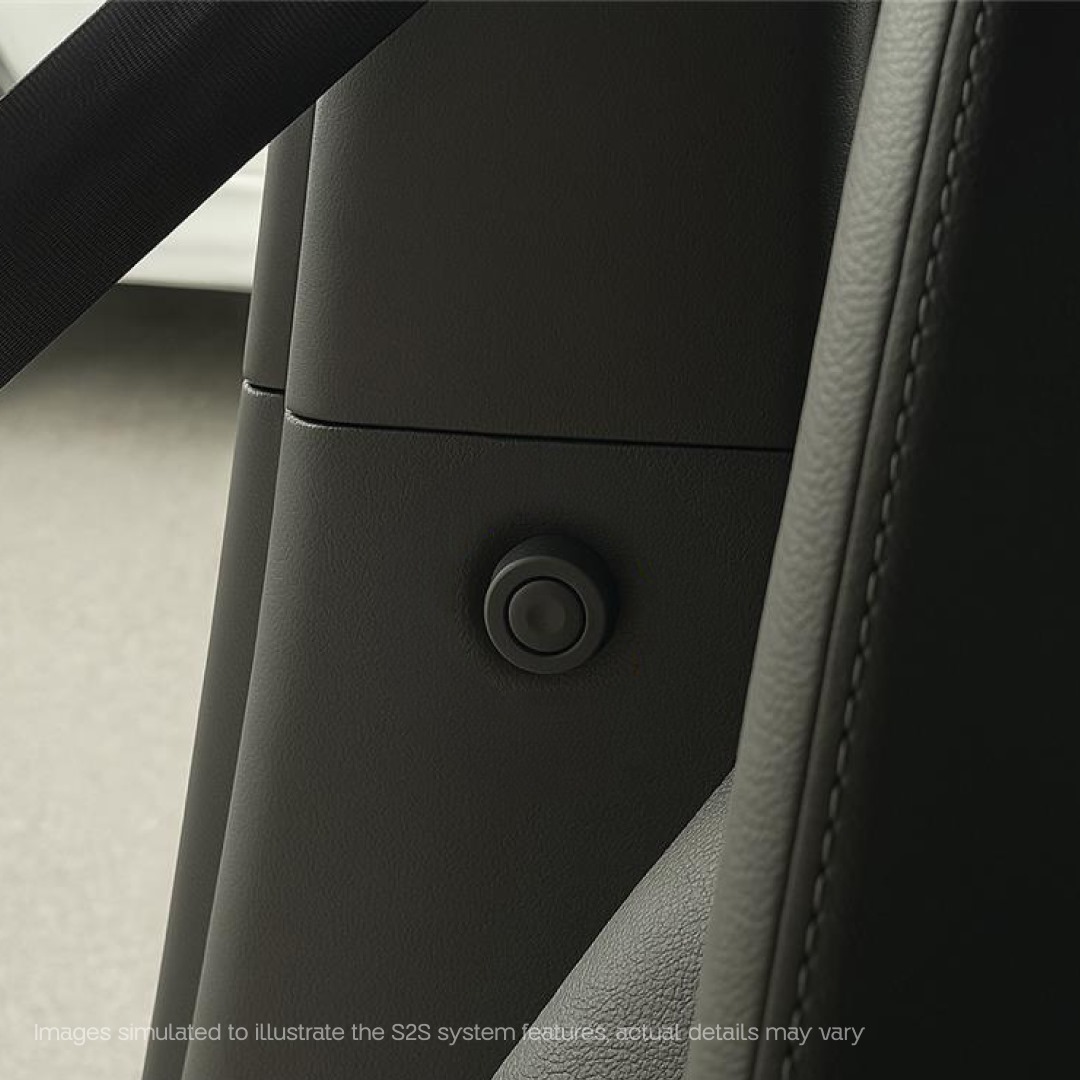
Importantly, the system is designed to protect everyone on board. The driver’s emergency button is positioned beneath the steering wheel for immediate access, while the passenger button is located along the rear seat side, typically near the vehicle’s B-pillar, allowing discreet use when needed. This layout reflects the principle that safety systems should serve both parties, rather than placing responsibility on one side alone.

Balancing safety and privacy
As safety technologies become more sophisticated, questions about privacy and data use grow more pressing. S2S operates within clear boundaries. Recorded data is encrypted, retained only for a limited period, and accessed only through lawful requests from competent authorities. These safeguards are essential to distinguish accountability from surveillance, ensuring that technology supports trust rather than undermines it.
For drivers, structured systems offer clarity. Clear protocols reduce ambiguity during incidents, ensuring that situations are assessed on verifiable information rather than assumptions. For passengers, a consistent support framework provides reassurance that assistance is available if needed, without altering the routine nature of everyday travel.
A Manila-based commuter described the experience simply: “You don’t think about safety features every minute, but knowing they’re there changes how comfortable you feel during the ride.”
For drivers, the value lies in predictability. “When there’s a clear system, you know you’re not alone if something unusual happens,” shared a local Green GSM driver. “It protects us as much as it protects passengers.”
Safety as a foundation for trust
Over time, it is this consistency that builds confidence. Not through constant visibility or reminders, but through systems that behave predictably and fairly when called upon. International experience suggests that when safety is embedded in daily operations, it becomes part of the service expectation rather than a marketing feature.
In this sense, integrated safety systems like S2S do not aim to eliminate risk entirely or replace human judgment. Their role is to provide structure, clarity, and support when uncertainty arises, allowing transport services to operate with greater professionalism and accountability.
As cities continue to grow and mobility becomes more complex, the question is no longer whether safety features exist in isolation. It is whether safety has been designed into the journey itself. When that happens, confidence becomes a natural part of everyday travel, shared by passengers and drivers alike.