
Driving Village Nature Tourism and Youth Education in Tukamasea
Maros, June 5th 2026 – For a tropical archipelago known for its thousands of islands and remarkable biodiversity, the Philippines has long been a favorite destination for travelers. Ecotourism is emerging as one of Southeast Asia’s fastest-growing travel trends, offering experiences that blend environmental conservation, cultural immersion, and community development. Backed by the country’s rich natural assets, supportive policies, and rising demand for eco-friendly travel, the Philippine ecotourism market is projected to reach USD 12.4 billion by 2034.
This growth comes as the tourism and hospitality sector continues to rely heavily on women, who make up about 52% of the Asia-Pacific tourism workforce and more than half globally. Yet many remain in lower-paying, temporary, or informal roles, contributing to a regional gender pay gap of around 14.7%. As the industry thrives, empowering women through more sustainable and inclusive tourism models has become increasingly important.
Across the Philippines, women‑led initiatives are diversifying ecotourism projects while reducing reliance on mass tourism models. From the Bantayan Women’s Association, which combines mangrove conservation with eco-guiding, to women entrepreneurs in the Cordillera Indigenous Homestays, who showcase weaving, rice-terrace farming, and indigenous storytelling, these efforts create livelihoods while preserving local heritage.
These ecotourism models are also being shared across borders with Indonesia, where communities such as Tukamasea Village in South Sulawesi have embraced women-led participation and sustainable tourism as tools for environmental restoration, stronger local governance, and long-term economic resilience.
From Floods and Crop Failure to Inclusive and Fair Financial Literacy for Tukamasea Village Governance
In 2024, repeated floods triggered by land degradation, shrinking water catchment areas, and upstream land clearing devastated Tukamasea Village in South Sulawesi, Indonesia. The disaster submerged 82 hectares of farmland, damaged critical infrastructure, including farm roads and irrigation systems, and severely disrupted livelihoods in Manarang Hamlet. Faced with declining incomes and worsening environmental conditions, residents recognized that active involvement in village development planning was no longer optional, but an urgent necessity.
In response, the Village Medium-Term Development Plan (RPJMDes) established the Budget Reading Group (KBA), a community forum that promotes transparency, participation, and accountability in village development. Women have become the driving force behind the initiative, holding 13 of the group’s 15 seats and helping transform residents from passive observers into active contributors to decision-makers.
“Through KBA, we learned that the village budget does not belong to a few people, but to everyone, including for guarding the environment and the future of the village,” said Sirawarti Ona Lewenussa (known as Ona), member of KBA in Tukamasea Village.
Today, the KBA convenes weekly to gather community feedback, develop proposals, and elevate local priorities to sub-district development planning meetings (musrenbang), ensuring public funds address community needs while supporting long-term environmental stewardship.
PINUS Mentorship and Strengthening Village Governance
The KBA’s growth was supported by mentorship from PINUS South Sulawesi, which equipped residents with the skills to navigate the RPJMDes, understand long-term development strategies, and design ecology-based programs. The training also introduced residents to Ecological-Based District Budget Transfers (TAKE), a performance-based funding mechanism tied to environmental outcomes. As a result, the village government adopted greater transparency, publicly disclosed the Village Budget (APBDes), and adjusted spending priorities to better support women, vulnerable groups, and sustainable development.
“We do not just learn to read the budget, but also monitor and evaluate village fund programs so they truly answer the needs of the poor and protect the environment,” said Ona.
Beyond budget literacy, KBA has become a key advocate for environmental resilience, proposing initiatives such as tree planting in flood-prone areas, river dredging, and land rehabilitation around former mining sites. This advocacy has translated into tangible investments, with the village allocating 110 million IDR for tourism infrastructure in 2022, followed by 139.6 million IDR in 2023 and 138.5 million IDR in 2024, supporting tourism growth while safeguarding local ecosystems.
“This mentorship is not just about teaching technical skills, but building awareness that the village budget is a shared tool to answer social, environmental, and economic needs,” said Rizky Awalita (known as Rere), Project Officer for PINUS South Sulawesi.
Village Tourism, Youth Education, and Restorative Economic Impact
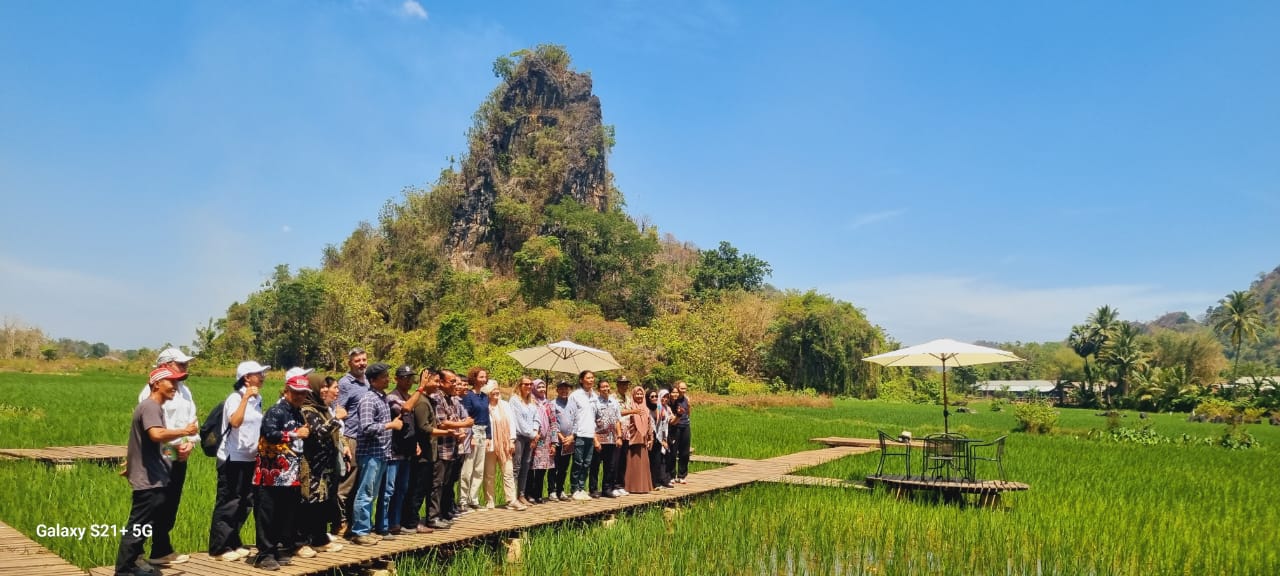
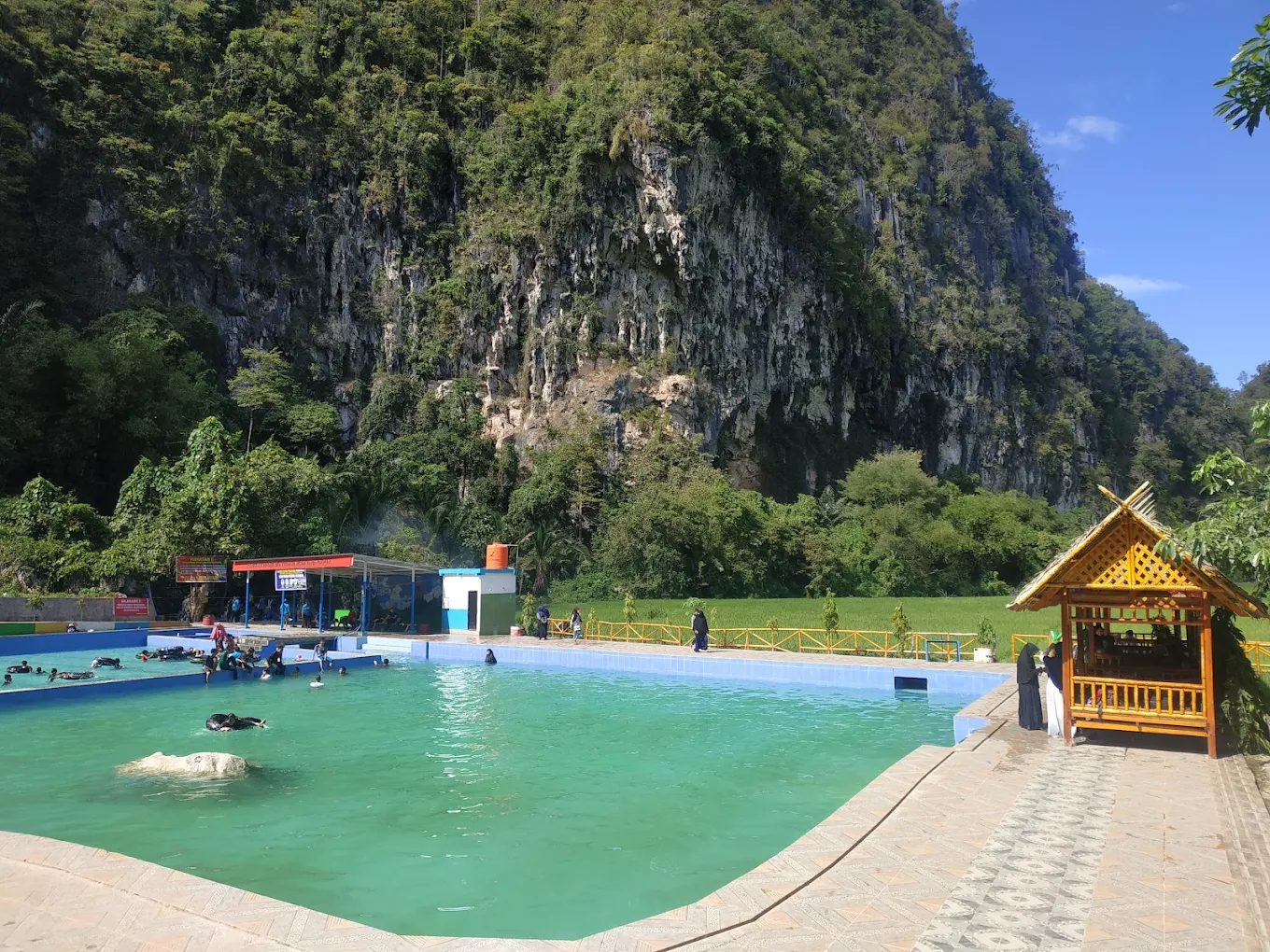
One of the clearest outcomes of KBA’s oversight is the growth of Dolli Tourism, which began with 500 million IDR in village funding and has since attracted nearly 1 billion IDR in total investment. From 2021 to 2025, the destination generated more than 1 billion IDR in gross revenue and delivered annual net returns of 60 to 65 million IDR to the village. Managed jointly by the Village-Owned Enterprise (BUMDes) and the Tourism Awareness Group (Pokdarwis), the initiative channels around 60% tourism revenue back into local livelihoods and community development.
As Rere noted, “Residents are starting to see that guarding nature and managing village potential together can open jobs and increase welfare.”
The economic impact extends well beyond tourism operations. The site directly employs 17 residents and supports around 20 women-led MSMEs operating nearby. Tourism revenues have also funded scholarships for 240 underprivileged students, from elementary school to university, between 2021 and 2024. It has become a successful example of a restorative economy as the foundation of the village.
Looking ahead, KBA aims to expand eco-friendly development, create more employment opportunities, and ensure growth remains inclusive and sustainable.
“We want KBA to remain a learning space and a policy guardian, so that village development truly sides with the citizens and nature,” said Ona.