
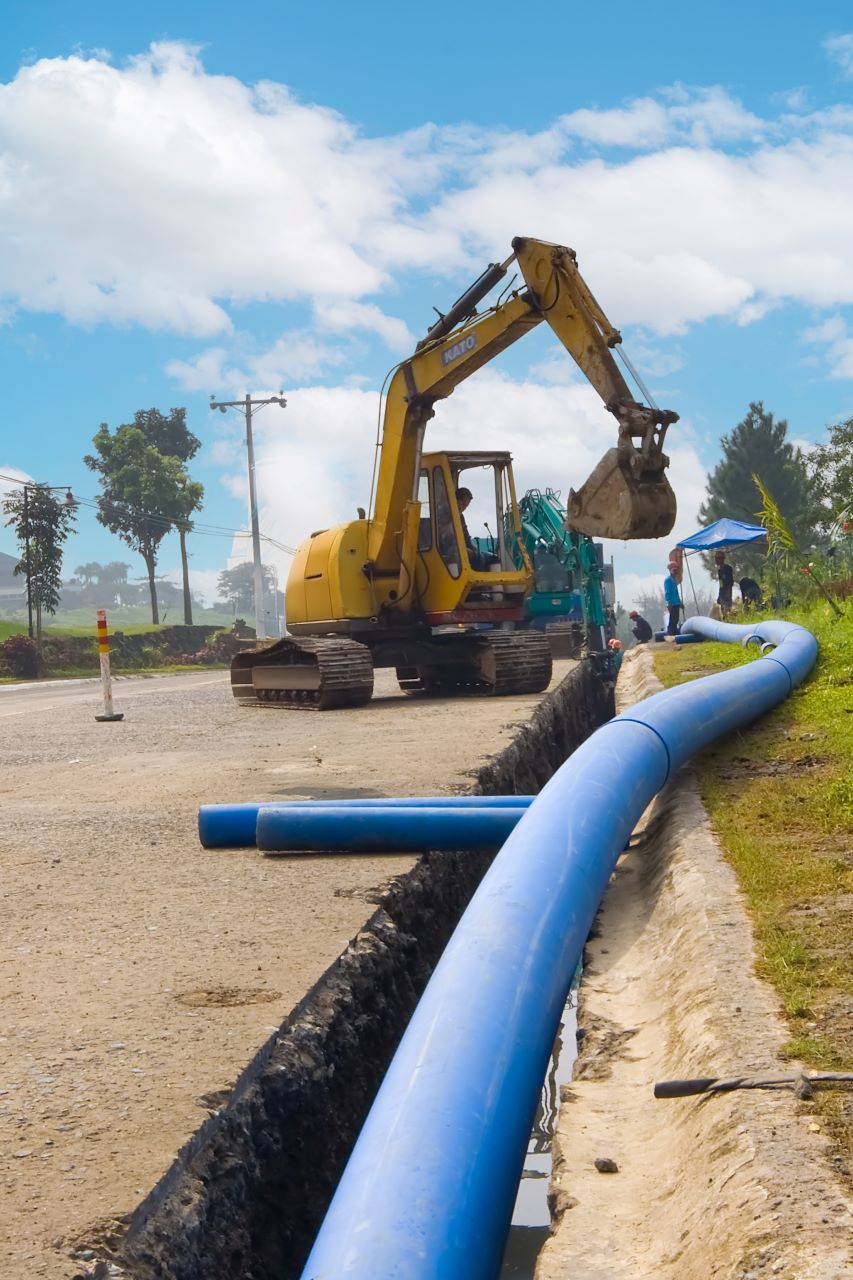
Manila Water continues to expand its water distribution network to bring 24/7 water service to more customers across the East Zone of Metro Manila and Rizal. As of July, the company’s network spans 5,738.06 kilometers of pipelines, supporting the delivery of safe and reliable water to millions of customers in its service area.
Serving more than 7.9 million customers and growing, Manila Water continues to invest in expanding and upgrading its water distribution network to meet increasing demand and improve service reliability. These ongoing infrastructure investments help ensure that safe and reliable water reaches households, businesses, and communities throughout the East Zone while supporting future growth.
Maintaining this extensive network requires a sustained focus on leak prevention and the reduction of illegal connections to ensure that more water reaches customers. As of July, Manila Water’s year-to-date non-revenue water level stood at 14.24%, among the lowest in Asia.
“As part of our service improvement and water security programs, we at Manila Water continuously implement long-term initiatives designed to reach more customers while ensuring uninterrupted 24/7 water service for our growing customer base,” said Manila Water Corporate Communications Group Head Dittie Galang.
The company’s network expansion is supported by its long-term strategy to develop additional raw water sources and reduce dependence on Angat Dam. Over the years, Manila Water has diversified its water supply portfolio through facilities such as the 100-million-liter-per-day (MLD) Cardona Water Treatment Plant and the 50 MLD East Bay Phase 1 Water Treatment Plant, both of which draw water from Laguna Lake. Also under development is the East Bay Phase 2 Water Treatment Plant, which is expected to supply up to 200 MLD.
Further strengthening water security is the Wawa-Calawis Water Supply System in Antipolo City, which sources raw water from the 710 MLD Upper Wawa Dam. The system is supported by downstream facilities, including the 80 MLD Calawis Water Treatment Plant and the upcoming 220 MLD Kaysakat Water Treatment Plant.