
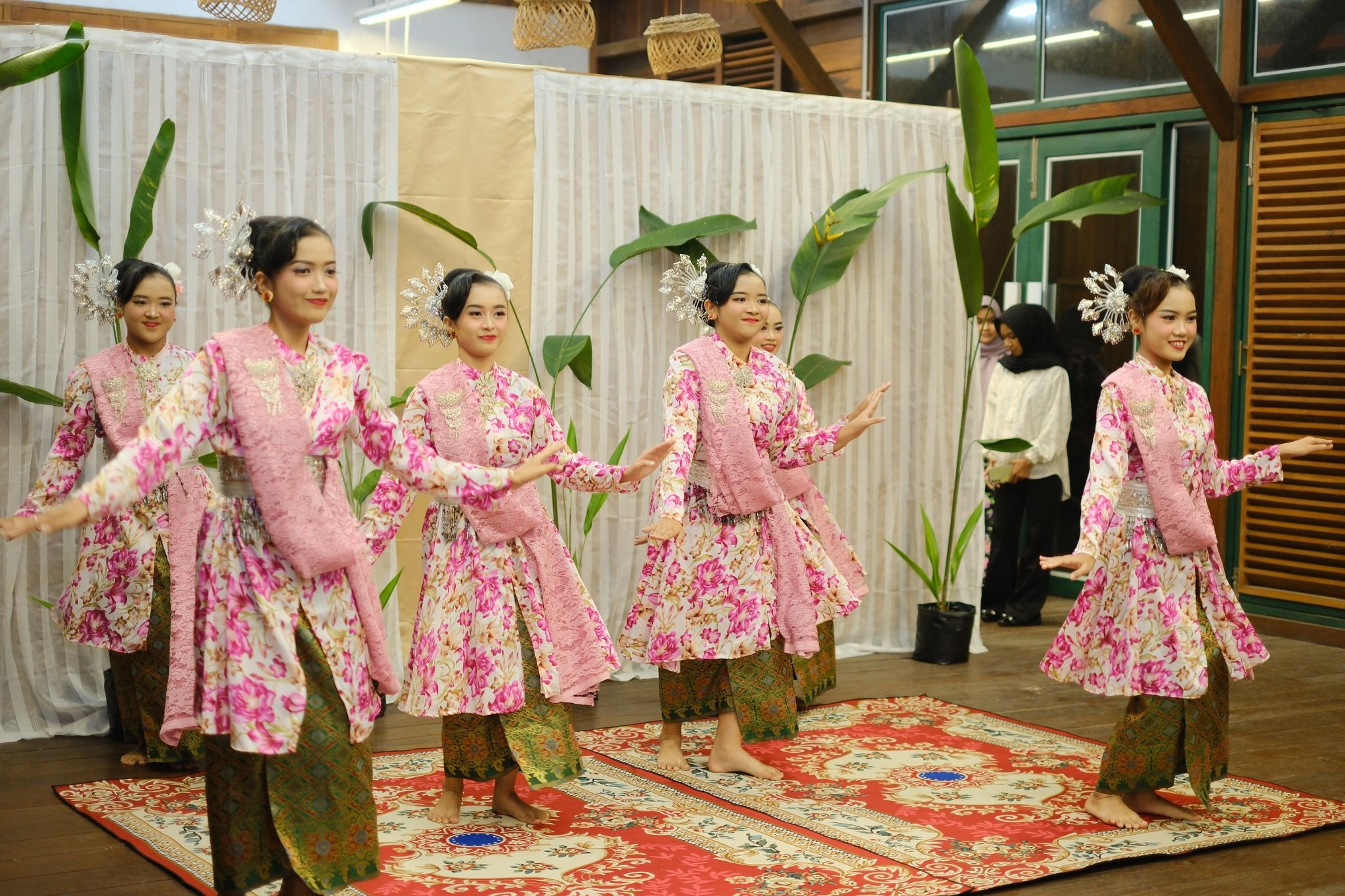
Siak Eco Wonders in Indonesia brings together cultural preservation, environmental protection and livelihood opportunities through community-based tourism
Siak, Indonesia, October 13, 2026 – Home to more than 47 UNESCO World Heritage Sites, including six in the Philippines, Southeast Asia is rich in cultural and natural attractions. Beyond attracting visitors, community-based tourism is gaining attention as a way to support local livelihoods while preserving cultural heritage and protecting the environment.
In the Philippines, the Department of Tourism is advancing community-based tourism through its 2026 Cordillera tourism village initiative, which aims to make tourism more inclusive and sustainable by empowering local communities to take an active role in tourism development. The initiative promotes preserving Indigenous traditions and natural resources while providing technical guidance to strengthen local tourism offerings and livelihood opportunities. This reflects a broader regional trend with more than 80% of travelers in Asia Pacific reportedly preferring sustainable tourism.
A similar approach is taking shape in Siak Regency, Riau, Indonesia, where rivers, cultural traditions, and local livelihoods are closely connected, much like the Philippines’ coastal and riverside communities. Building on this shared connection, Siak Eco Wonders, an initiative developed by Skelas and local stakeholders, combines Siak River experiences, Malay heritage and local cuisine to create livelihood opportunities for local micro, small and medium enterprises (MSMEs) while preserving Siak’s cultural and natural heritage.
From River Potential to Empowering Tourism Experiences
Siak Eco Wonders began by transforming the Siak River, traditionally used for transportation and community activities, into a cultural tourism attraction. In collaboration with Benteng Berdaulat and local Tourism Awareness Groups (Pokdarwis), traditional sampans now let visitors explore Siak’s history and heritage.
Taufiq Nurrohim, Business Development of Skelas, explains that the initiative aims to develop Siak’s tourism sustainably. “We saw great potential in Siak, but the management was not yet maximized. It was not because it was wrong, but because things were not yet connected and packaged well,” he said.
Siak Eco Wonders offers meeting, dining, and tour packages that connect visitors with local communities. Meeting packages typically accommodate 30 to 40 guests, averaging two bookings monthly from corporate CSR programs and government agencies, while dining experiences can host up to 100 visitors. Tourists can explore heritage sites such as Siak Palace, Syahabuddin Mosque, and Balai Kerapatan on wooden bicycles, and hear the rare komet music box, one of only two remaining worldwide and the only playable one. Other activities include nastar cookie-making at the Pinaloka pineapple processing center, learning about cork fish processing and peatland conservation at Alam Siak Lestari, and joining local fishermen to set nets in the afternoon and collect fish the following morning.
Dining experiences further support local livelihoods by engaging Benteng Hulu Village residents to prepare traditional Malay dishes such as asam pedas patin, salais fish, tapah fish and juara tumbuk instead of relying on large catering services. Visitors can also experience makan beranyut, a traditional fishing practice of dining aboard a sampan while drifting along the Siak River.
Skelas Incubation and Low Impact Tourism Practices
Siak Eco Wonders did not develop in isolation. Siak Eco Wonders builds on Skelas’ mentoring experience, including its management of Siak River Land, and partnerships with local MSMEs, Tourism Awareness Groups (Pokdarwis) in Mempura and Benteng Hulu Districts, and Bank Indonesia. Sustainability is integrated into its operations, with meeting and dining packages eliminating single-use plastics and encouraging reusable tumblers or paper cups. Food waste is also processed using maggots in partnership with the Village-Owned Enterprise (Bumkam) Sejahtera in Mempura District.
“We want this tourism to provide a simple example that tourism activities can run without adding a burden to the environment,” said Nurrohim.
The initiative also creates opportunities for local youth, engaging eight vocational tourism students as dinner servers and around 20 rotating volunteers in tour activities since its launch in July. To promote its offerings, Siak Eco Wonders has partnered with seven local influencers who experienced and shared its tours. The initiative has also begun attracting international visitors, including student groups from Japan and Malaysia and travelers from Singapore.
Local Economic Impact and the Direction of Restorative Tourism
Since its launch in July, Siak Eco Wonders has generated around IDR 21 million (approx. PHP 73,500) in revenue, with an average of 15 to 20 tourists monthly and 20 to 30 bicycle renters weekly. Beyond revenue, the initiative supports around 10 local MSMEs across food, processing, and transportation services. Visitors also leave with positive impressions and greater awareness of the importance of keeping Siak and its river canals clean.
Challenges remain in pricing and accessibility, with lodging averaging IDR 300,000 (approx. PHP 1,051.51) per night and travel from Pekanbaru taking two to three hours by road. Visitors from Malaysia and Singapore also require combined sea and land transport, making value-added tour packages essential. To strengthen its offerings, Skelas plans to establish a business entity, expand partnerships, and develop environmentally friendly homestays using traditional Malay houses.
“The hope is that tourism in Siak does not just sell views, but also revives culture, protects nature, and creates jobs,” said Nurrohim.
Siak Eco Wonders shows how tourism can function as a restorative economy. It not only generates income but also restores the relationship between humans and nature, culture, and the local community.