
Across Luzon, Flores de Mayo preparations are already underway, carried out by organizers, volunteers, small vendors, and riders who help move essentials on time.
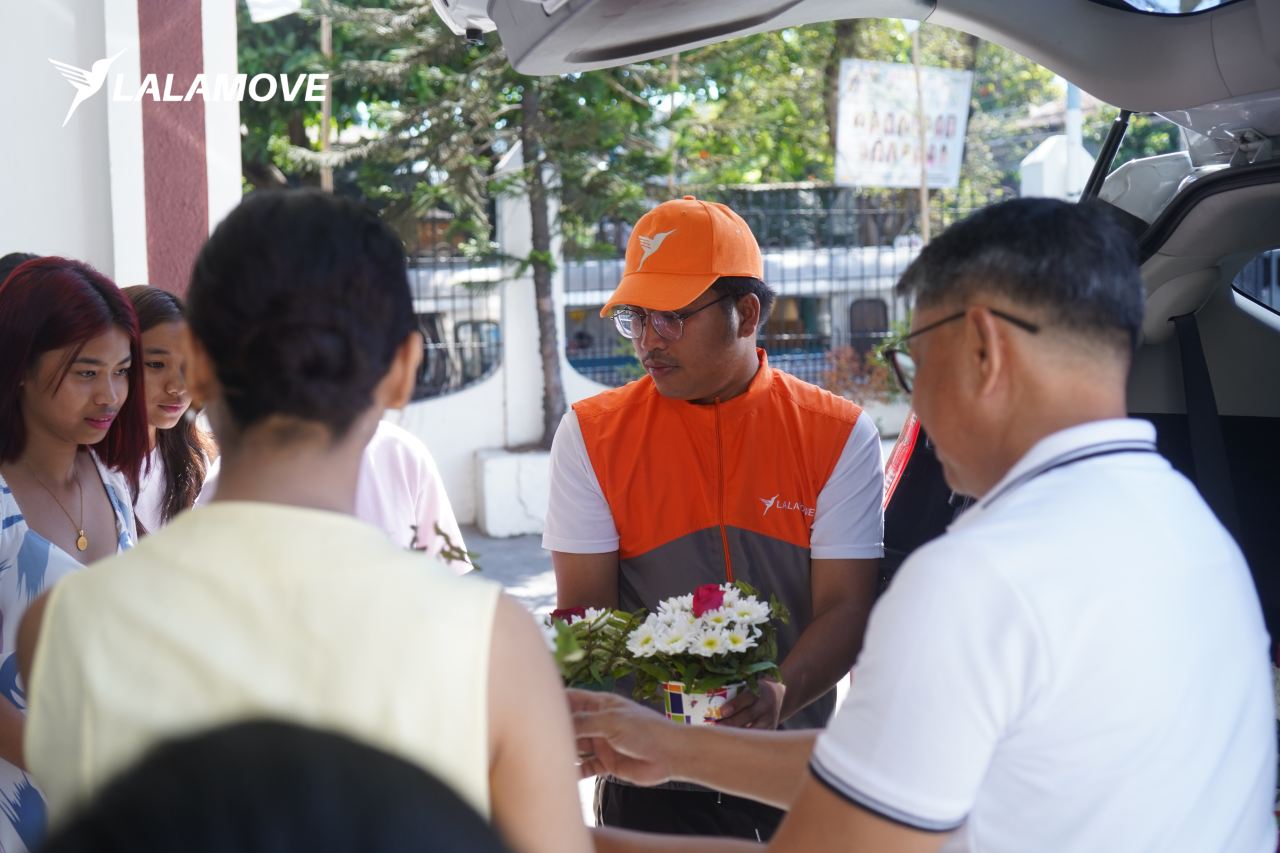
MANILA, Philippines — Weeks before Flores de Mayo comes into full view, preparations are already underway in communities across Luzon.
Gowns are being fitted and refitted. Parasols, sashes, and decorations are being finished. Volunteers are confirming materials, schedules, and food for parish activities. Flowers are being ordered early because timing matters in the May heat. There is laughter in parish halls, too, the steady hum of old sewing machines, and the smell of food prepared a day ahead.
What most people see in May is the celebration in full. What they do not always see is the busywork that carries it there: the follow-ups, errands, adjustments, and last-minute coordination that occur before the procession begins.
This is the part of Flores de Mayo that Lalamove Philippines is putting the spotlight on through Flores de LALA, a campaign that recognizes the organizers, volunteers, families, and small vendors whose work shapes the tradition long before the procession begins.
Flores de Mayo is a month-long Filipino Catholic tradition honoring the Blessed Virgin Mary, often culminating in the Santacruzan procession. In parish after parish, in Metro Manila neighborhoods and in towns across Luzon, preparation begins weeks before the first offering. The hermano mayor or hermana mayor, often the lead sponsor helping steer the year’s celebration, starts working with organizers as early as April. By then, the work has usually moved from planning to coordination: sponsors checking what still needs funding, families confirming who will join, and organizers making sure every supplier, volunteer, and parish requirement is accounted for before May begins.
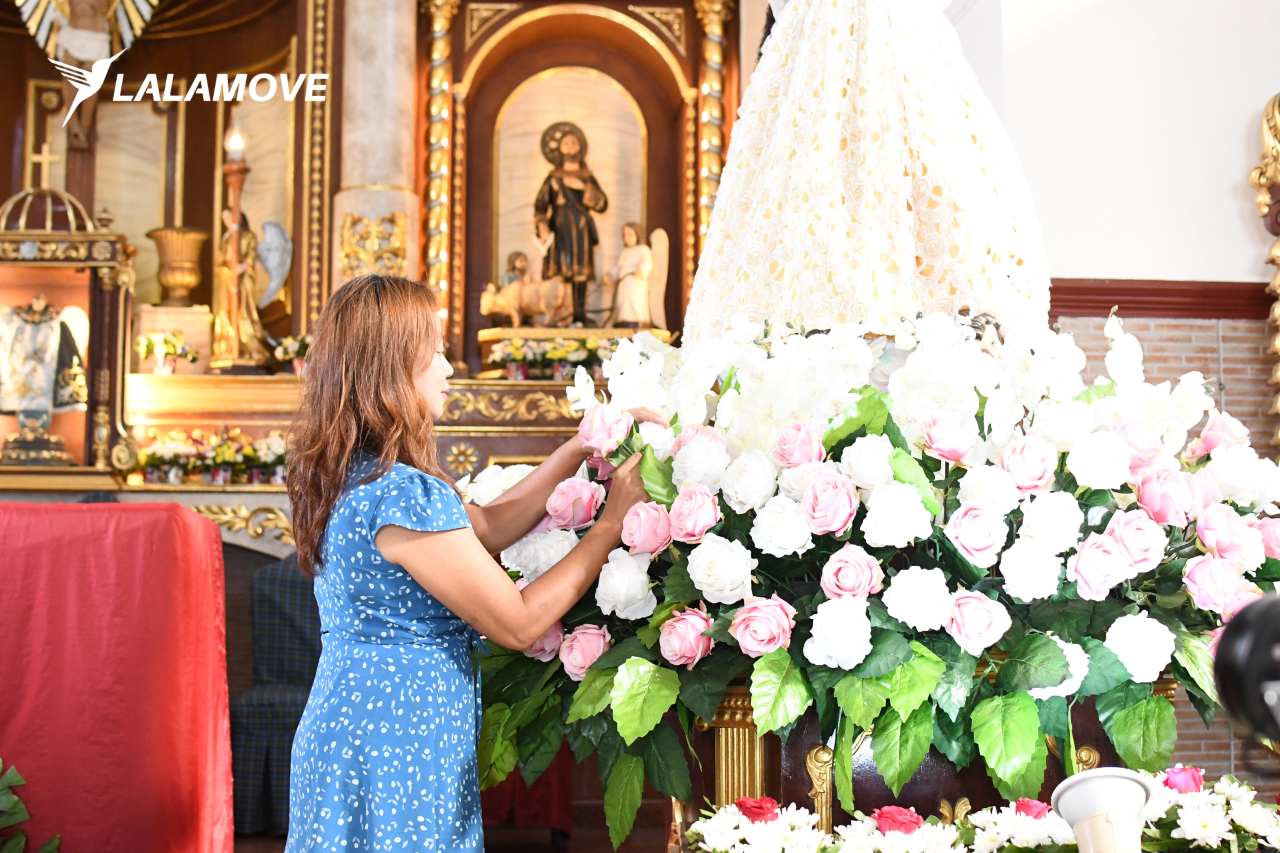
In San Pedro, Laguna, the pressure of preparation is familiar to Evelyn, a Flores de LALA participant whose family has long been involved in Flores de Mayo celebrations. This year, the work also runs through their family flower shop, with flowers needed for the church, the images of the Blessed Virgin Mary, the carroza, and the hermana’s kubol. “Kaya kong mag-Dangwa nang hindi umaalis sa bahay,” Evelyn shared, describing how Lalamove helps them coordinate flower pickups from suppliers and bring supplies to their shop or preparation site on time. Similar coordination plays out in towns like Bocaue, Bulacan, where families book Lalamove sedans or trucks to send fundraising shirts and other supplies between cities in the lead-up to the celebration.
Around that work, a small local economy begins to move. Seamstresses, florists, décor makers, merienda providers, sound-system suppliers, shirt printers, and other neighborhood vendors all become part of the season’s rhythm. Their work may not always be the most visible part of Flores de Mayo, but it is part of what makes the visible part possible.
Across Luzon, from Metro Manila neighborhoods to provinces outside Metro Manila, that preparation takes different shapes but follows a familiar rhythm. In dense urban areas, organizers may be coordinating pickups and drop-offs across several neighborhoods in a single day. In older city districts, flowers, fabric, finished gowns, and decorations often move between markets, home-based makers, and parish spaces. In nearby provinces, the distances may be longer, but the challenge stays the same: a long list of items that need to be somewhere else, on time.
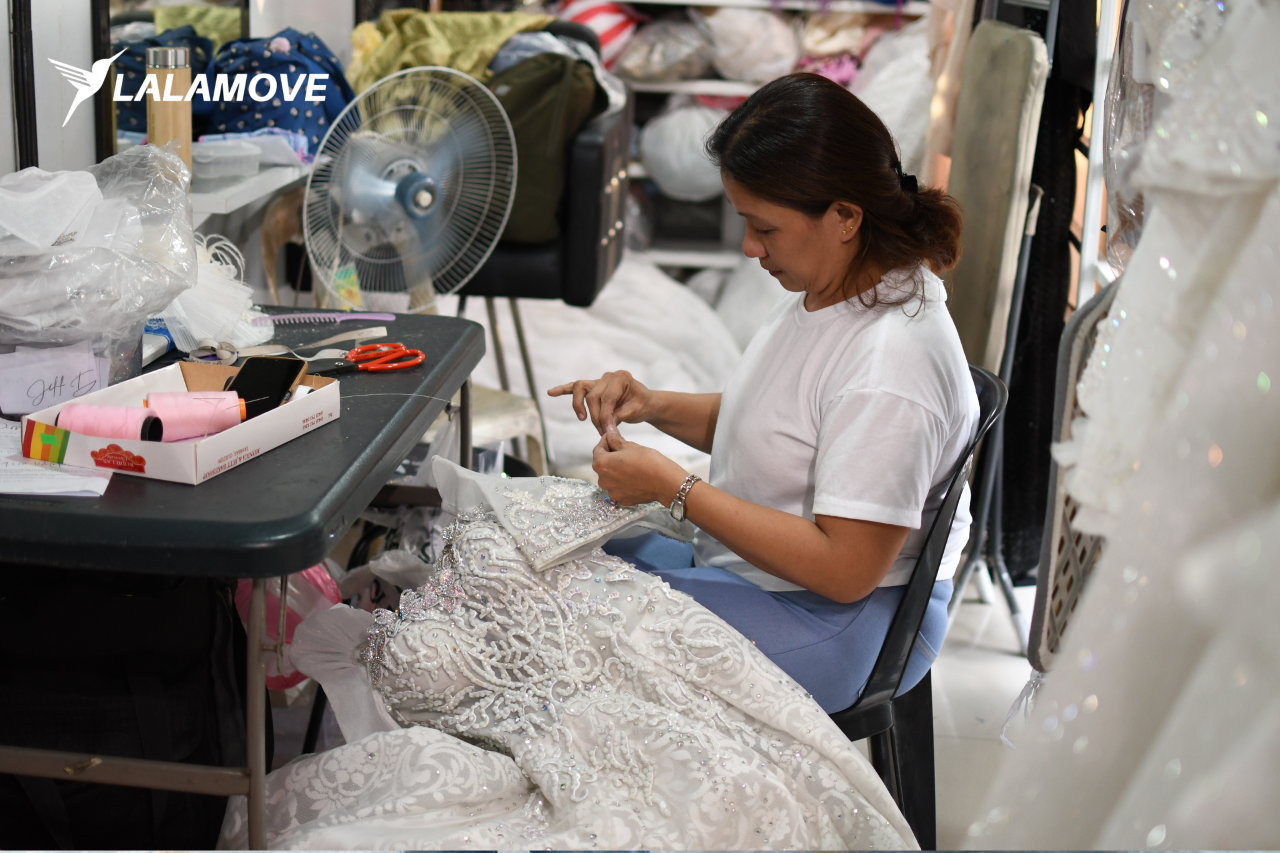
The work shows up in the small things. A sagala’s gown comes back from a last-minute alteration and has to reach the organizer’s house before the next rehearsal. A batch of sampaguita arrives less fresh than expected, and a replacement order goes out the same day. A floral arch turns out too tall for the doorway and has to be adjusted, with more rosal and santan sent in to finish it. A set of speakers is needed in another chapel before the band arrives. The merienda for the volunteers is ready, but it is still at the supplier’s kitchen an hour before practice.
The Errands Behind the Celebration
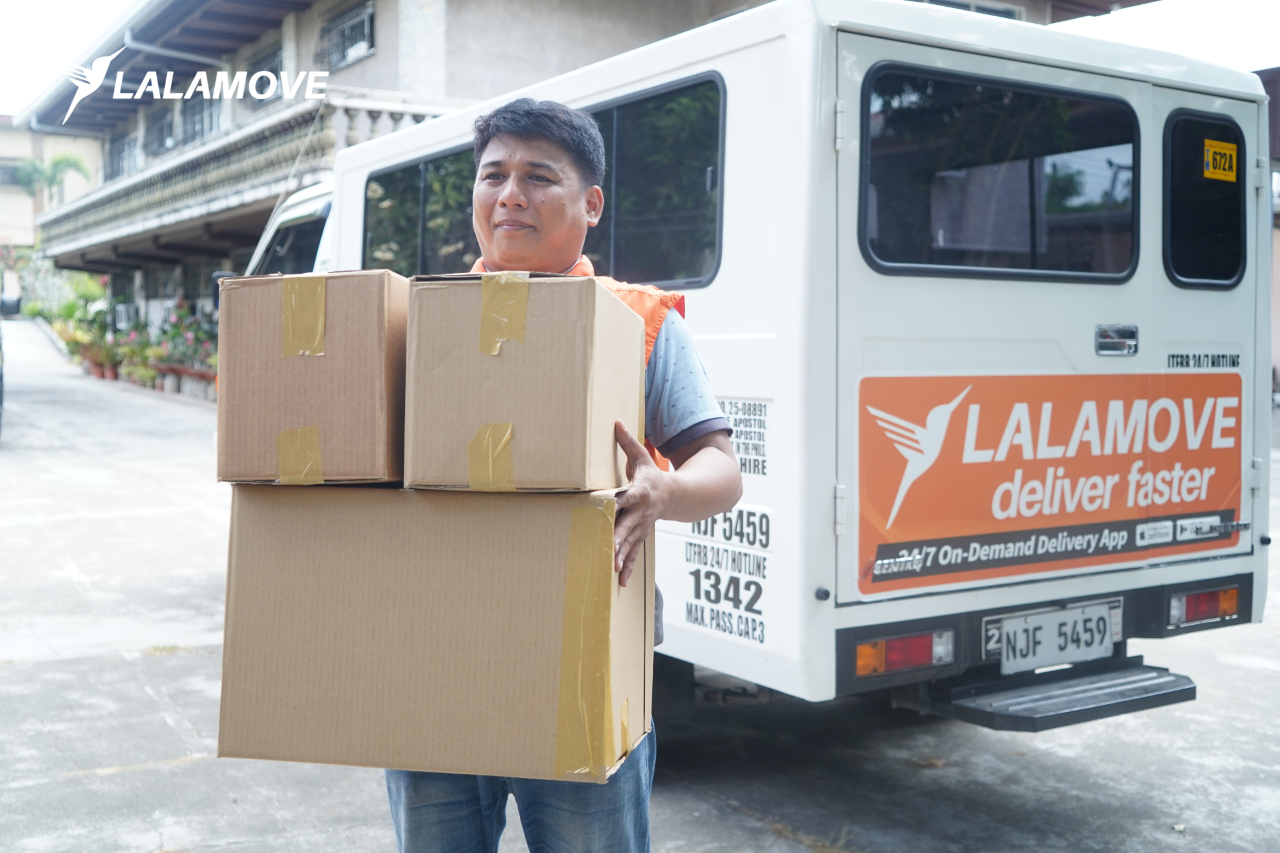
A gown that arrives late pushes back a fitting. Flowers ordered too early wilt before the blessing. Flowers ordered too late will miss the procession. By the final week before the Santacruzan, most of the margin has already been used up, and the May heat does not grant extensions.
For Lalamove’s partner drivers, these errand chains have become part of the rhythm of the Flores de Mayo season. One afternoon can mean a gown pickup from a seamstress, a set of speakers for the parish band, a crate of décor for a parish hall, and a flower replenishment before a late rehearsal. Some items are light but urgent. Others are bulkier or more delicate. A beaded bodice cannot be folded. A crate of sampaguita cannot sit in the sun.
Different deliveries call for different vehicle options across the day, from motorcycles for urgent, sedan, MPVs, or big vans to L300, large aluminum trucks, and wing van s for décor, supplies, and other materials that need more space or careful handling. For suppliers and organizers coordinating beyond their own city or immediate community, Lalamove’s long-distance deliveries across Luzon help move materials from farther points without turning every errand into a full-day trip.
None of this replaces the work of the people on the ground. Lalamove only helps what they have already prepared arrive where it needs to be.
“Flores de Mayo is carried by the people who prepare for it: the organizers, the volunteers, the vendors, the families,” said Djon Nacario, Managing Director of Lalamove Philippines. “Our role is to support that work by making sure the essentials they have prepared arrive safely and on time, so the celebration can come together the way the community intended. That is the help we can offer, and we want to offer it well.”
With many communities watching their budgets more closely, lead sponsors such as the hermano mayor or hermana mayor, along with parish organizers, and small vendors, are stretching resources further than they used to, deciding which is why Lalamove aims to make delivery services affordable, without compromising speed and safety. . But the work goes on. It has gone on in communities across the country for generations. There is excitement in it, too: a sagala seeing her gown for the first time, the band rehearsing under a streetlight, families gathering early just to watch the arch go up.
The gowns are being sewn. The flowers are being ordered. The altar pieces are coming together. And by early May, the sagalas will be walking through their cues one more time, veils in hand, while the music starts to find its place.
Keeping the Tradition Moving
Through Flores de LALA, Lalamove is honoring the preparation behind the procession while helping communities continue the tradition through easier long-distance deliveries across Luzon, moving fiesta essentials such as flowers, gowns, printed materials, décor, food, and other supplies even when they are coming from outside the immediate community.
Readers can follow Lalamove Philippines on Facebook, Instagram, YouTube, and TikTok for updates. Watch out for the upcoming Flores de LALA video series, which takes a closer look at the communities and preparations that carry this year’s tradition forward.